Field notes: the night shift that spotted the sheen before daylight imagery could
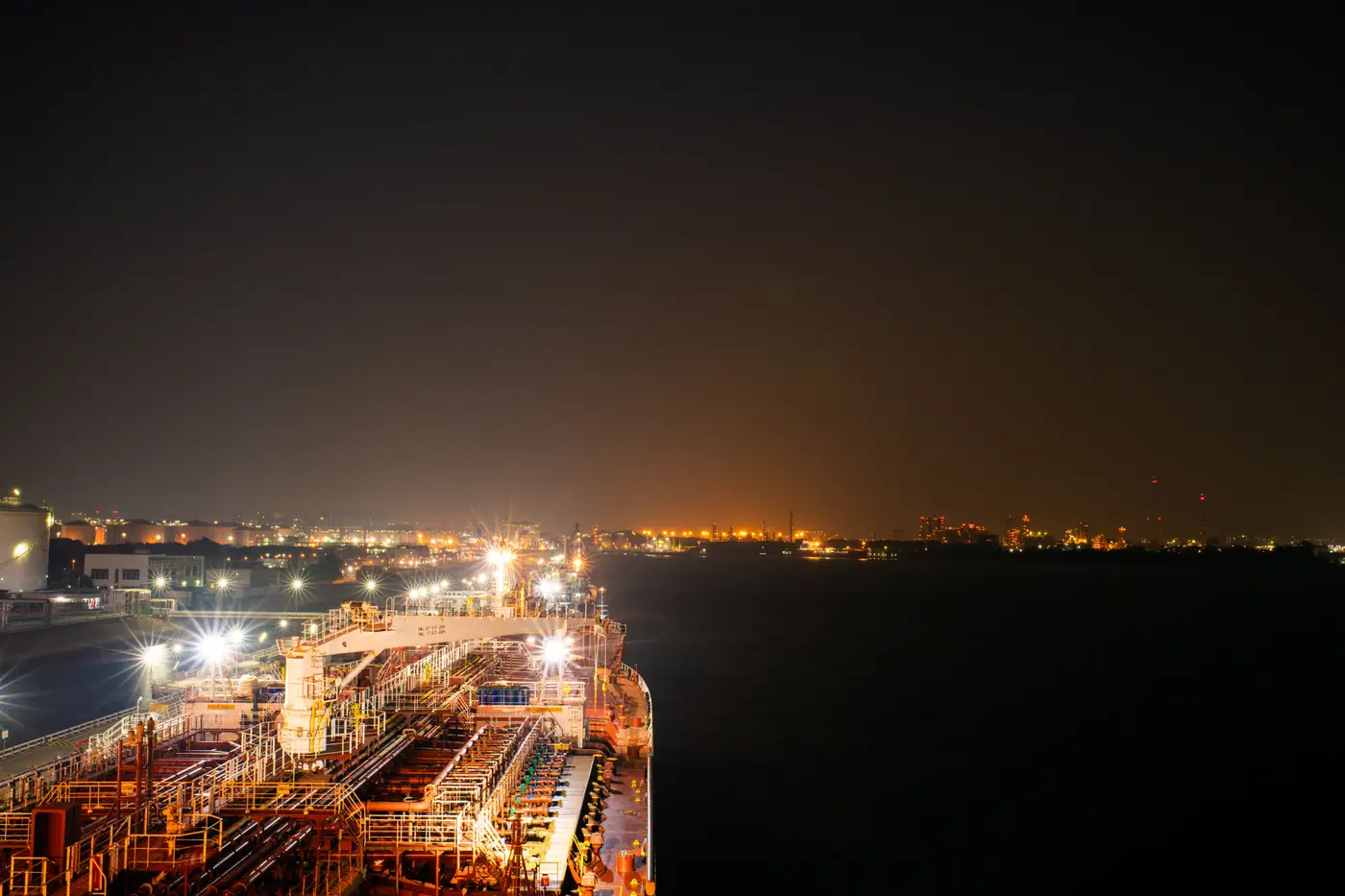
A berth operator I talked to last month still has the log entry memorized: 0247, watchstander reports petroleum odor near the mooring, no visible sheen under deck lighting. By 0530, when the sun was high enough to throw real glint on the water, the outline was unmistakable, a long tongue of rainbow stretching off the starboard quarter. Three hours and change between the smell and the picture.
That gap comes down to physics, plain and simple. Sheen detection, whether it is a human eye or a sensor on a satellite, needs light doing something specific to the water surface: sun-glint, the low-angle shimmer that makes a thin oil film stand out against open water. At 0247 there was no glint to work with. The night shift did what night shifts have always done, they used smell, a sheen on a flashlight beam, a wake pattern that looked wrong, and they wrote it down. That write-up is what kept the clock running on the report.
What strikes me about the story is that nobody expected the imagery to arrive early. Everyone on that crew assumed daylight confirmation would be the slower, second step, and they were right to assume it. The crew treated the smell report as the trigger and the daylight confirmation as the piece that filled in the extent once there was enough light to see it. That is the right instinct, and it is worth saying out loud because I think some terminals quietly expect daylight imagery to do more than it can. It cannot smell diesel at 3 a.m. It can tell you, once the light cooperates, how far the thing the crew already found has traveled.
And that second part matters more than it sounds like it should. A watch officer's report tells you a sheen exists and roughly where someone first noticed it. It does not tell you whether the film has pushed two hundred meters past the fender line or stalled against the current near the dolphins. By the time the HSE desk is drafting the initial notification, that boundary question is usually the first thing a regulator or a terminal manager asks, and "we're still assessing" is not a great answer to give twice.
This is the part of the job daylight imagery is built for: nailing down the shape once there's enough light to work with. Multispectral contrast picks up the thin-film signature that a deck camera at 50 meters will miss, especially out past the boom lines where nobody's going to walk the shoreline. A frame taken an hour or two after sunrise, with the extent traced out and the area estimated, turns a verbal "it looked like it reached the second dolphin" into a dated sheet you can attach to the file.
I'd push back a little on the instinct to treat the three-hour gap as a problem to be engineered away. Night-vision thermal rigs exist, and some terminals run them, but they come with their own false-positive headaches and maintenance overhead that most berths can't justify for an event that, with any luck, happens rarely. The cheaper fix is organizational: trust the night shift's nose and eyes for the initial call, and keep a daylight imagery step ready to run the moment there's enough light, so the extent gets mapped on the first clear morning instead of the third site visit.
The terminal in this story ended up with a clean record: odor report at 0247, sheen confirmed and outlined by mid-morning, area estimate in the file before the regulator called. Nobody's claiming the imagery beat the crew to it. It didn't need to. It showed up right when it could see something, and did the one thing a nose in the dark can't do, which is measure the thing it found. If your berth's incident file is missing that second piece, Oil Sheen Detect is built to fill it in. The next time a report starts with "smelled before seen," let the daylight pass finish the sentence.