Field notes: the weekend the pilot called in the sheen before we did
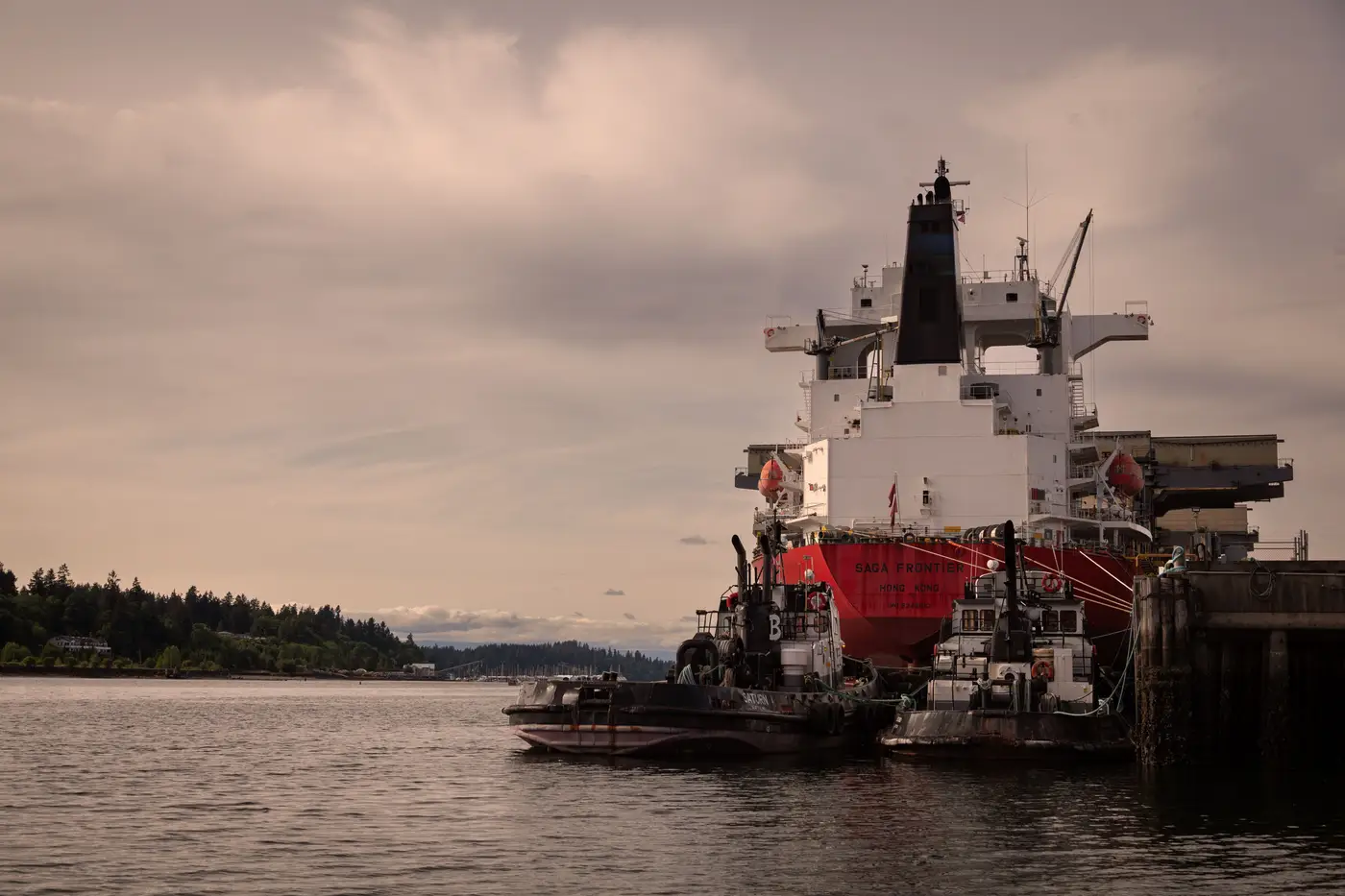
It was a Saturday, 2:40 in the morning, and the call came in on the duty phone from the pilot boat crew, not from anyone on our shift. They'd seen a rainbow streak off the port bow as they came alongside a tanker working the far berth, maybe eighty meters off our mooring dolphins. By the time I got the message relayed, logged, and a launch into the water, the tide had already moved whatever it was a good distance from where it was first spotted.
This is the part nobody puts in the training slides. The sheen doesn't wait for your shift to start. It doesn't care that the terminal superintendent is three hours from a phone, or that the only guy who can read the tide tables cold is off until Monday. Somebody else sees it first, more often than you'd like to admit, and then you're working backward from a radio call instead of forward from your own eyes.
We got a boat out there and confirmed it, a thin, patchy sheen stretching maybe sixty meters along the current line, gone from where the pilots first flagged it but still visible under the deck lights. We took photos, logged a rough position off the chartplotter, and called it in to the duty officer at the port authority. By sunrise it had thinned out enough that the day crew couldn't find it at all, and for a few hours we had nothing but a phone log and some grainy photos to back up what three people swore they saw.
That's the gap I keep coming back to. Not whether the sheen was real, everyone agreed it was, but whether we could have put a number on it at 3 a.m. instead of a description. "Patchy, maybe sixty meters, moving with the current" is what you write when you're standing on a launch in the dark with a flashlight and a camera. It's not what goes in a report that someone in a regulatory office reads cold on Monday morning, trying to figure out if this was a notable event or background noise from a dozen vessels transiting that week.
The thing about weekend sheens specifically is that they tend to get discovered by whoever's already out on the water: pilots, line handlers, the occasional fisherman working the channel edge. They're not looking for sheens, they just see one and mention it, usually to whoever answers the radio first. Your first report is almost never from your own monitoring. It's secondhand, it's imprecise on timing, and it's often already stale by the time you get a boat to the spot.
Daylight imagery that catches the sun-glint pattern on open water changes that math. It turns a reported sighting into an outline and an area figure pulled from the next available daytime pass, logged the moment the event gets flagged instead of reconstructed from memory hours later. You request it the minute the call comes in, and what comes back is a dated sheet with a sheen outline and an estimated area, built from the source frame itself rather than three people's recollection of a flashlight beam on black water.
We still don't know exactly how big that patch was at its widest, because nobody was measuring it, they were just making sure it wasn't near the intake. Next time I'd rather have a dated sheet in hand before the pilot boat's even finished its radio call. See what Oil Sheen Detect puts together for a report like that.