What is an OPA 90 qualified individual, and why a terminal needs one on call
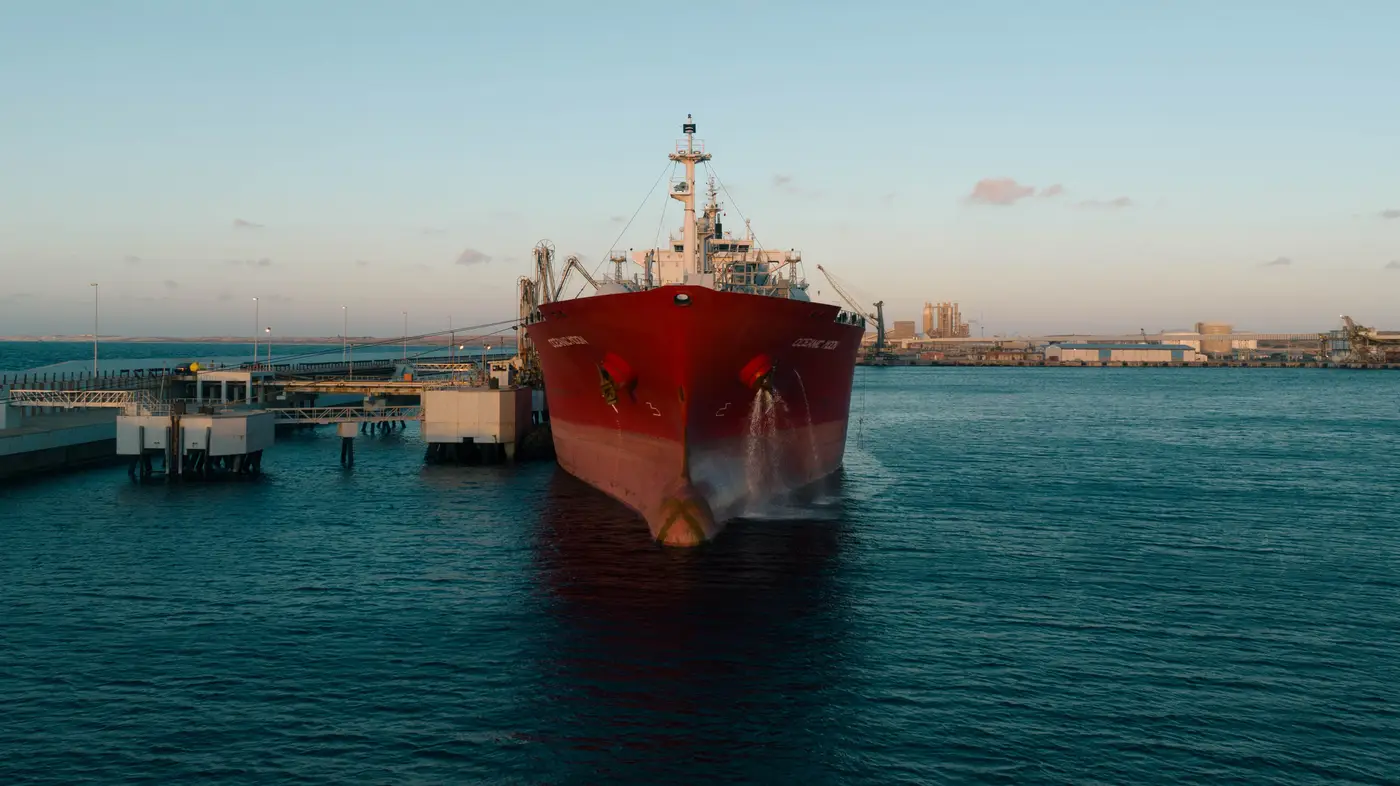
Every terminal operating under OPA 90 has to name one person on its facility response plan who can be reached at any hour: the Qualified Individual, or QI. If a sheen turns up off the berth at two in the morning on a Saturday, the QI is the name on the call sheet that picks up. Not a committee. Not a mailbox someone checks Monday.
33 CFR 154.1026 is the section that makes this a requirement rather than good practice. A facility response plan has to designate a QI, plus at least one alternate, with full authority to activate the oil spill removal organization, start assessment of the release, and talk directly to the Coast Guard captain of the port. The QI doesn't need a license or a vessel. What they need is standing authority, written into the plan ahead of time, to spend money and pull people before anyone upstream signs off on it.
What the regulation requires of the QI
Strip away the plan language and the QI's job on the day of an incident comes down to a short, specific list:
- Notify the National Response Center without waiting for confirmation from anyone else.
- Activate the response contractor named in the plan, immediately, without routing the call through anyone else for approval.
- Obligate the funds needed to get equipment moving, before a purchase order clears finance.
- Serve as the terminal's direct point of contact to the Coast Guard's Federal On-Scene Coordinator until that person takes over on-scene command.
None of that works if the QI finds out about the sheen secondhand, an hour after the watch stander spotted it. Naming a QI only pays off when notification and activation start the moment the sheen is reported, with the duty number already in hand and no time lost hunting for it.
Who signs off on the sheen report
The initial call to the NRC is verbal and fast: time, location, estimated extent, source if known. The written follow-up that comes after is where the QI's name usually ends up, because the QI is the person with authority to certify what the terminal is telling the Coast Guard actually happened.
That written report needs an estimate of how big the sheen is and where it sits relative to the berth or mooring, and that estimate has to hold up if the Coast Guard, the state agency, or the terminal's own counsel asks for the source later. A guess scrawled on a clipboard during the first hour doesn't do that. A dated record that shows the sheen's outline, an area figure, and the frame it came from gives the QI something defensible to put a signature under, which is closer to what Oil Sheen Detect is built to hand back the moment a sheen is spotted.
Smaller terminals sometimes try to get by with the terminal manager doubling as QI, reachable "most of the time." The reg doesn't allow for most of the time. If the person named in the plan is on a plane, at a kid's game, or just asleep with the phone on silent, the terminal is out of compliance the second a release happens and nobody with authority answers. That's the actual reason facilities name an alternate, and why some keep a contracted QI service on retainer instead of betting on one employee's phone always being on.
None of this changes what caused the sheen or who's liable for the cleanup. It changes how fast the terminal can show the Coast Guard it had the right person, with the right authority, making calls in the first fifteen minutes. That window is usually what gets scrutinized hardest after the fact, because it's the part a terminal controls directly.
If your QI is about to file that first report, get them an outline and area figure they can stand behind.